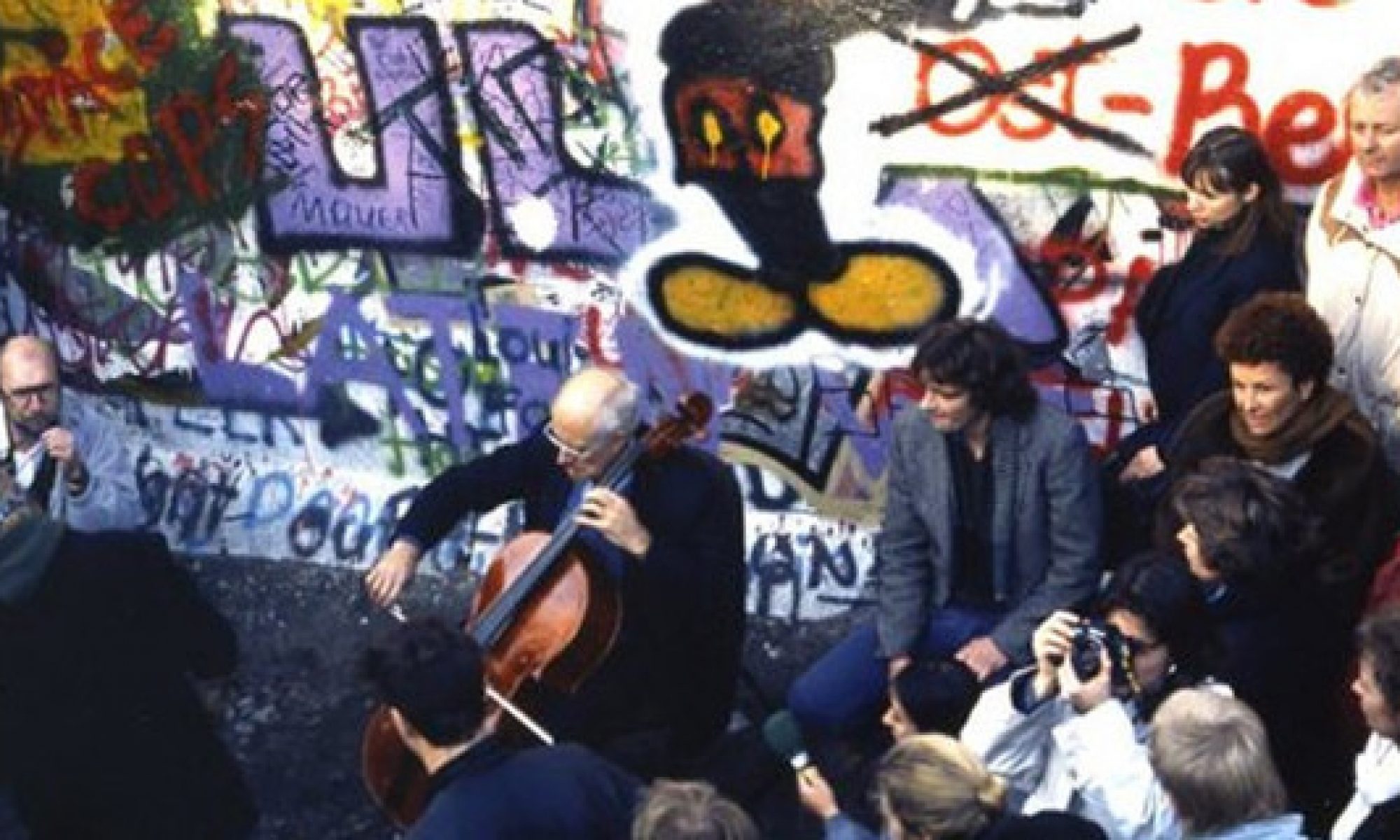

After reading this article I realized that I was an undiagnosed technotourist. I’ve never traveled to Berlin, but I have heard of it’s great electronic music scene and would like to experience it sometime.
The music and the people seem to be the two largest attractions. Berlin also seems to be one of the most lively techno-tourist locations, although techno-tourism can be a lucrative industry for any host city. Berlin is an attractive city for not only historical tourists, but those who want to experience the music scene as well. I thought Garcia was right when he said Berlin was a “special case.” The city is attractive for loud music but not without the noise complaints of those living within the city. It highlights the cross between the two groups in Berlin – those involved in the electronic music scene, and those who aren’t.
The rise of techno tourism popularity seems to be analogous with a younger generation who are more cost-conscious and strive for experiences over materials. These people have really done everything they can to keep costs low, from booking flights months in advance, to avoiding all extra flight costs. Also, most tourists have connections to places to stay, but not all. Those without usually stay in more modest housing in hostels.
The reading on the Saharawi refugee camps in western Africa was interesting to me because it highlights the post-colonial world we are currently experiencing. The dust from the succession of the European colonial powers in Africa in the 20th century has not yet been settled. African nations are fighting for control of areas leaving hundreds of thousands without permanent homes, driven out of their homeland. Music during the revolution was voluntary and seen as a motivator for the cause – the survival of their people. It is important to the older generation that music not be paid for. The younger musicians have no problem accepting money.
